B
Field notes: the ferry flight that beat our next pass by six hours
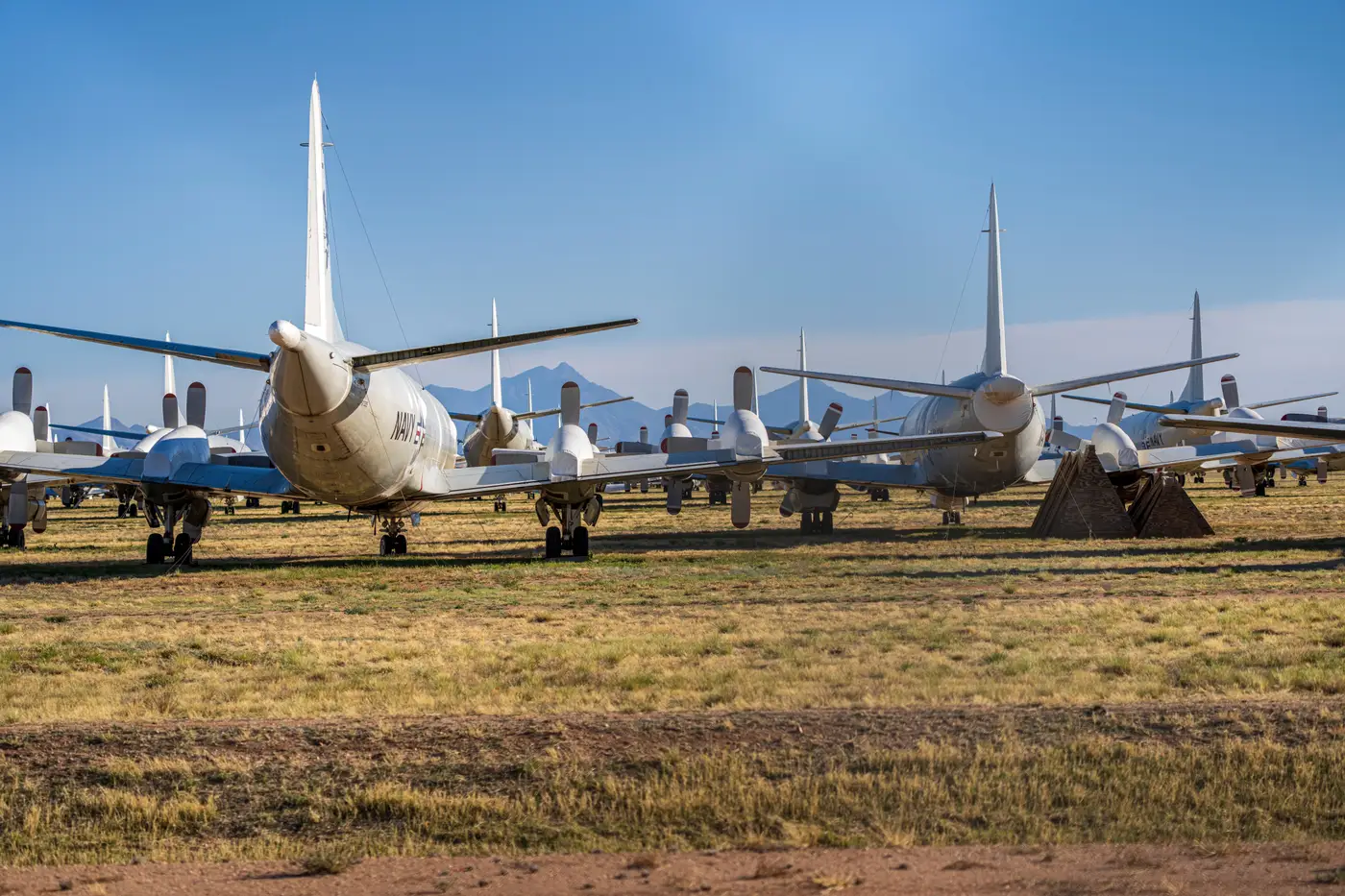
An asset manager we talk to tracks a block of narrowbodies sitting at a desert storage field, the kind of place where lease returns go to wait out a redelivery dispute or a slow sale. One tail in particular had been parked on the same row for four months. Then, on a Tuesday, it wasn't there.
The ferry crew had pulled it at first light. Positioning flight to a maintenance base two states over, gear up before 7am local. The next VHR pass over that field came at 1pm. Six hours too late to catch the aircraft on the ramp, and about eighteen hours too late to catch the push-back itself. By the time the image landed, the row had one fewer tail than the prior day's count, and that gap is the whole story the imagery can tell you.
This is the part of parked-fleet tracking that doesn't make it into the pitch decks: you are not watching a live feed. You are stacking daily snapshots and reading the difference between them. Most of the time that's plenty. Storage tenure is measured in weeks and months, not hours, so a once-a-day read of the apron tells you almost everything you need about who's sitting where and how long. But every so often a ferry flight, a test flight, or a quiet pre-dawn repositioning slides through the gap between passes, and the count only shows you the before and the after.
The asset manager's reaction surprised me a little: relief, more than frustration. He'd had the tail flagged as "likely moving soon" for about two weeks, based on nothing more than a maintenance release filed with the registry and a change in the way it had been parked: nose pointed out toward the taxiway instead of nestled in with the rest of the row, like someone had already decided it was leaving. The count confirming the departure the next morning was just the last data point in a pattern he'd already been building by hand from public filings and the daily tallies.
That's closer to how this gets used in practice than the single dramatic catch. A daily apron count is a ledger, read once a day rather than a live tripwire for the moment an engine starts. You watch the number on a given row hold steady for a stretch, then tick down by one, and you cross-reference that against whatever else you're tracking: a redelivery date, a sale rumor, a maintenance slot booked somewhere. The six-hour miss on the ferry flight itself didn't cost him anything, because the thing he needed, confirmation that the aircraft had left storage and roughly when, showed up in the next day's table regardless.
Where it would have mattered more is a field with faster churn, somewhere aircraft move through for check layovers rather than long-term storage, where a one-day resolution starts to blur same-day arrivals and departures into a single flat number. For that kind of base, the read is less about catching every taxi and more about knowing, reliably, what the ramp looked like this morning compared to yesterday morning, without having to either drive out there or ask someone who did.
We built Aircraft Counting around that second kind of question: a dated table of how many aircraft are sitting on the apron and what type they are, pulled from the same VHR imagery every day so Tuesday's count means the same thing as Monday's. If you're carrying a row of tails on a watchlist and want a daily tally rather than a guess between site visits, the parked-fleet count on the landing page is built for exactly that stretch of waiting.
Next time a tail slips out between passes, the following morning's count will confirm it, on time in the ledger even if the pass missed the push-back itself by hours. Worth setting up a daily read on the rows you're carrying before the next one slips through.