B Notes
Blog
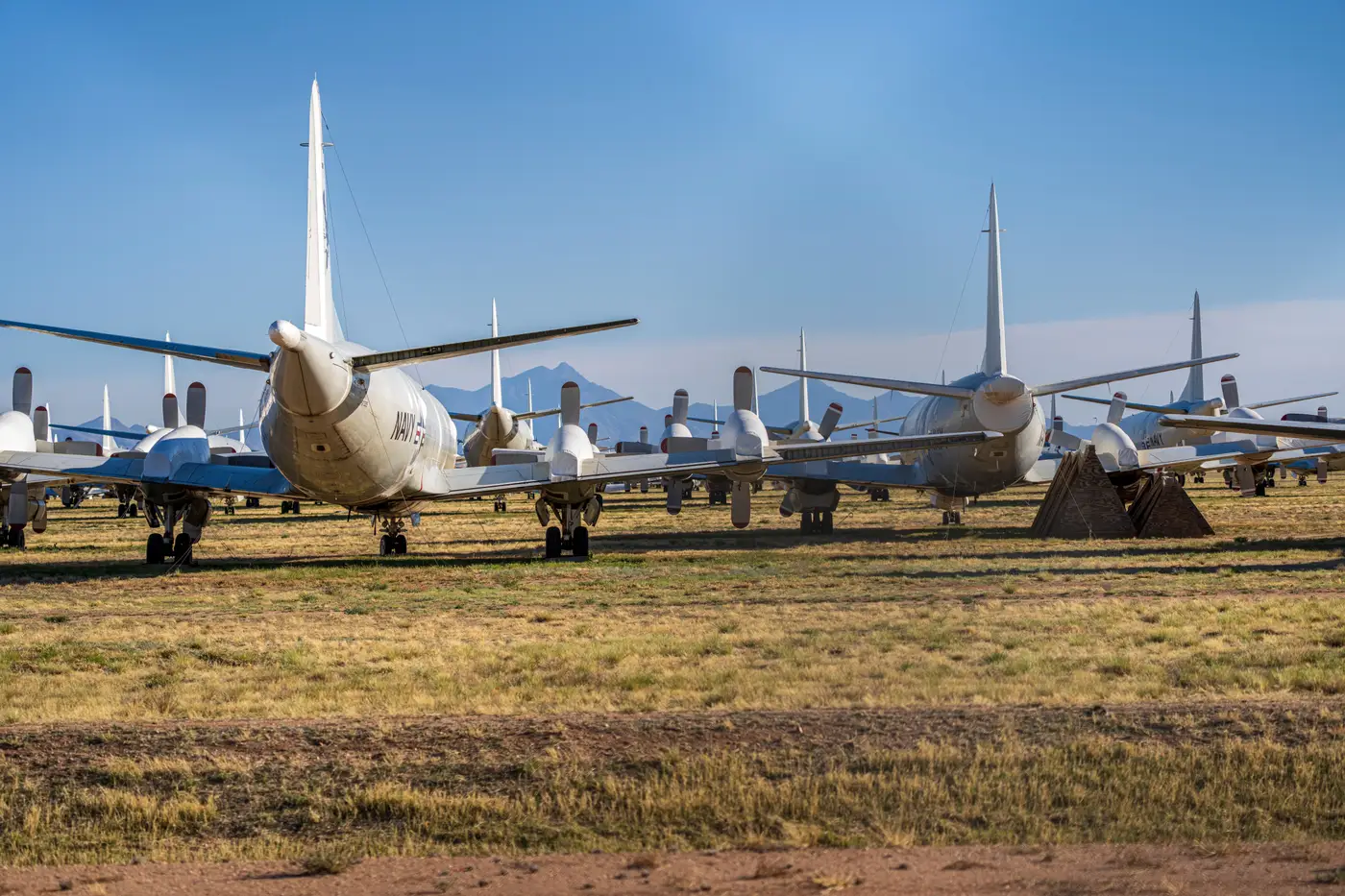 Field notes: the ferry flight that beat our next pass by six hours
A storage-yard tail ferried out hours before the next satellite pass. Notes on why daily apron counts still beat guessing between visits.
 How to tell a seasonal charter surge from a permanent base increase in satellite imagery
A count on the apron can mean two very different things for a base. Here's how to read the signal correctly before you act on it.
- Storage or teardown: how to read aircraft condition in satellite imagery
How fleet analysts tell a storage candidate from a part-out candidate using markings, engine removal signs, and apron position in satellite imagery.
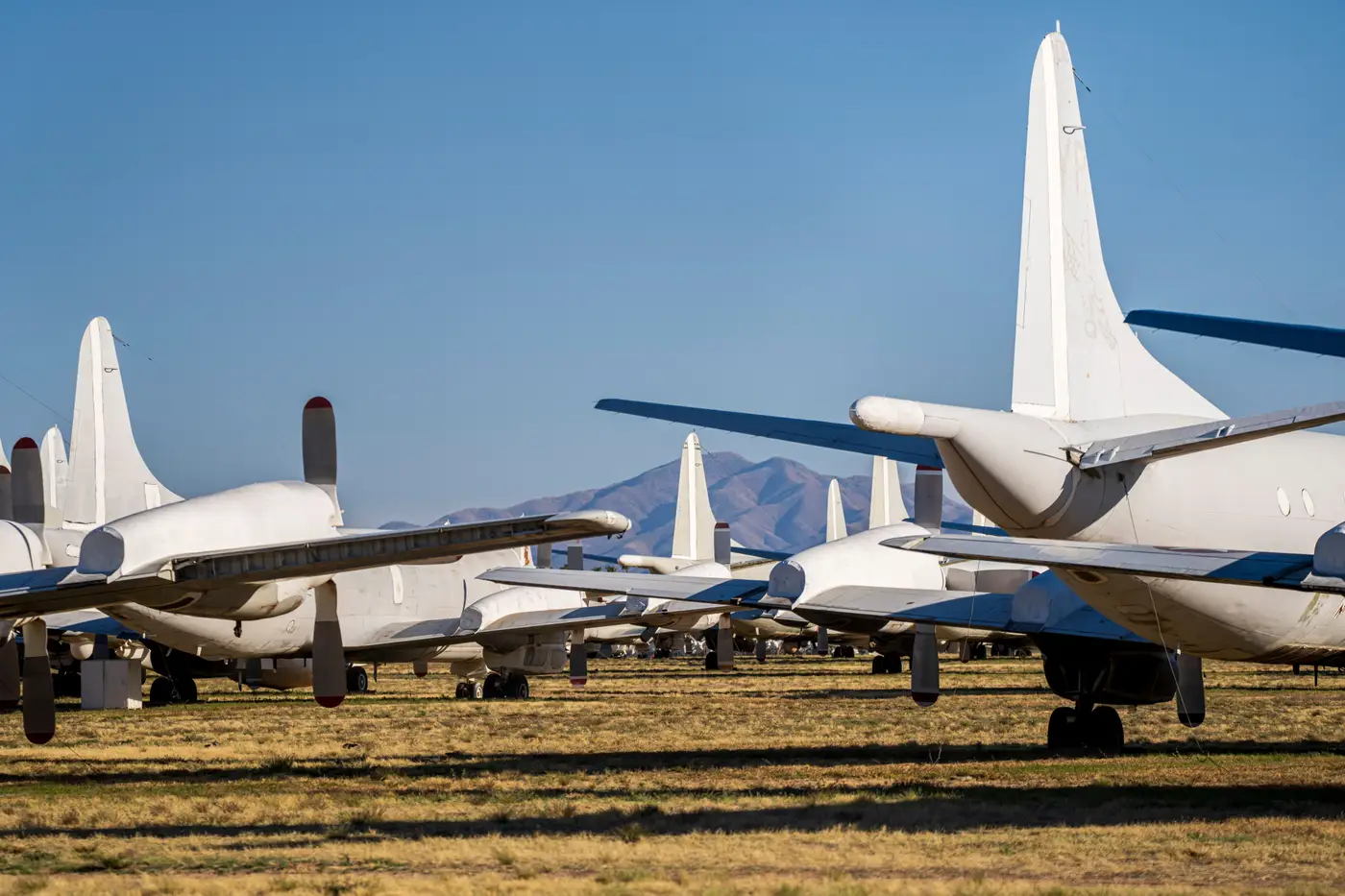 What is a desert boneyard, and why do airlines park aircraft there?
A plain explainer on desert boneyards: why dry climates suit long-term aircraft storage and what a lessor or fleet analyst should watch for.
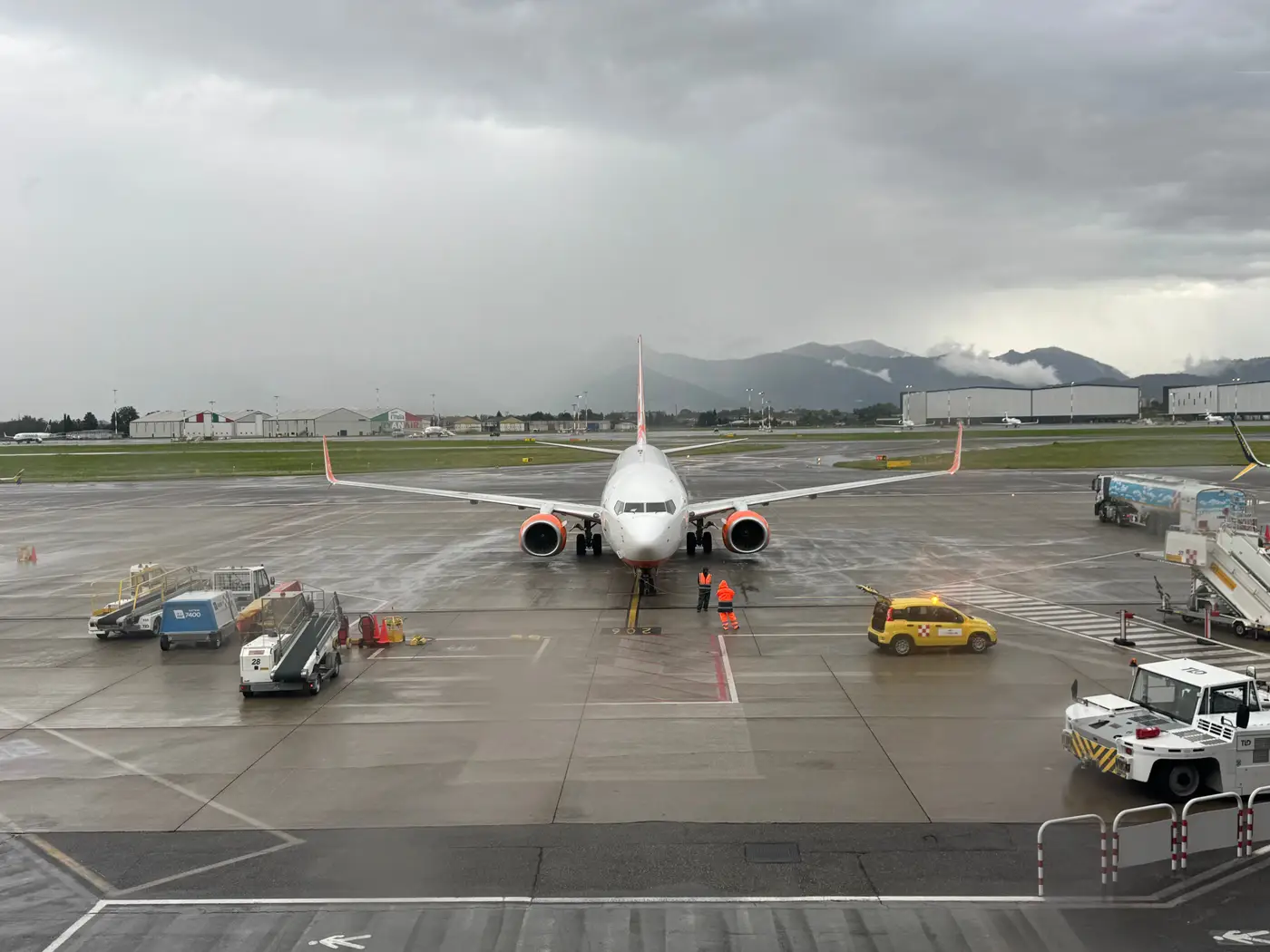 Field notes: the week a dozen widebodies vanished from the ramp
A field-notes look at seasonal widebody redeployment and what sudden ramp count swings at one base tell you about shifting route networks elsewhere.
- What is a storage check, and how does it differ from heavy maintenance?
A storage check preserves a parked airframe. A C-check or D-check restores it. Here's how the two differ and why the distinction matters at the ramp.
- How to tell a freighter conversion from a passenger aircraft in satellite imagery
How fleet analysts spot a freighter conversion from VHR satellite imagery, and why apron position beats fuselage shape.
- What ground sample distance do you need to read a tail number on an aircraft?
Why tail-number resolution sits well below what commercial VHR satellites deliver, and what GSD like 0.5m is good for in fleet monitoring.
 Reconciling a satellite apron count against a fleet status report
A practical workflow for matching a satellite apron count by aircraft type against a lessor's fleet status report, and where the two are meant to diverge.
- A full ramp in August doesn't mean a full fleet
A packed August ramp at a leisure base can mean backed-up schedules or idle spare capacity, not a fuller fleet. Here's how to read it right.
- How many aircraft fit on a maintenance base apron?
There's no fixed number for aircraft on an MRO apron. What sets ramp capacity, and how to track real parked-aircraft counts instead of guessing.
 What a C-check is, and why it skews your apron count
What a C-check actually involves, how long it keeps an aircraft parked, and why that skews a single day's apron count at an MRO base.
- How to tell a stored aircraft from a parked aircraft in satellite imagery
Visual cues analysts use in VHR imagery to separate long-term storage from active ramp turns, and why a single pass rarely settles it.
- Wide-body vs narrow-body: telling them apart on an apron from overhead imagery
How to read fuselage length, wingspan, and engine position from VHR imagery to sort wide-body from narrow-body jets on a ramp.
- How to identify aircraft type from satellite imagery
A working guide to reading aircraft type from overhead imagery: wingspan, shadow, engine count, and the widebody vs narrowbody tells.
- How to spot an aircraft storage facility in satellite imagery
Tell-tale signs of a storage apron in satellite imagery: row spacing, taxiway wear, and how to tell parked from stored aircraft.
- Satellite imagery vs ADS-B for tracking idle aircraft
Why ADS-B goes quiet once an aircraft parks, and how a dated satellite count of the apron fills the ground-truthing gap.
- What is apron utilisation? A glossary for fleet analysts
A plain definition of apron utilisation, how the ramp utilisation rate is calculated, and why it beats register data for tracking idle fleet.