B
Field notes: the week a dozen widebodies vanished from the ramp
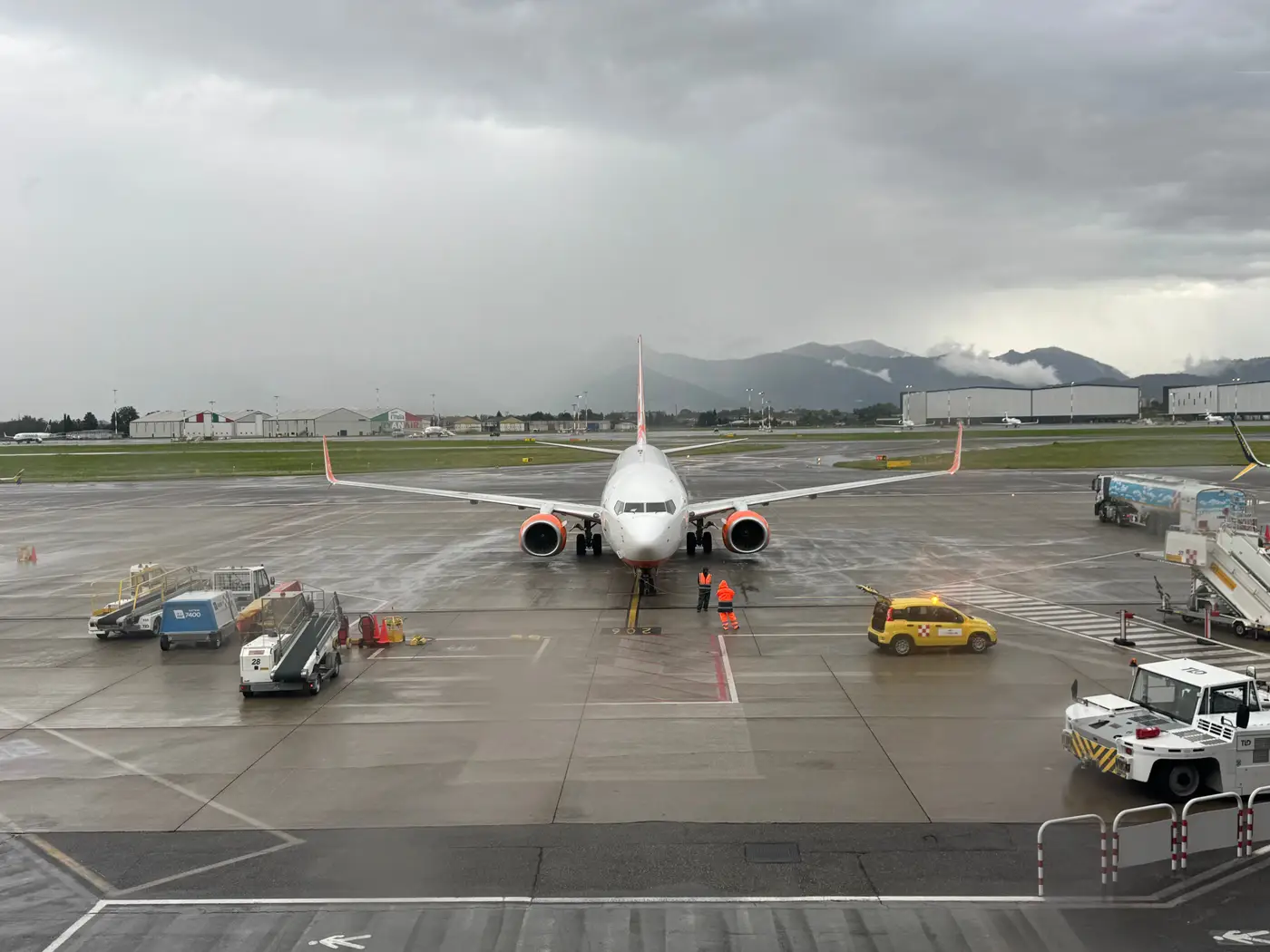
It started with a number that didn't match the spreadsheet. A base that had been sitting at nine or ten long-haul aircraft for most of October dropped to one, almost overnight, and stayed there through the back half of the month. No NOTAM explained it. No press release. Just an apron that used to look busy and now didn't.
This is the part of the job nobody teaches you in a classroom: the gap between what the schedule says and what the ramp actually shows. Schedules are intentions. Ramps are facts. And every November, within the same two or three weeks, those two things pull apart while carriers reposition widebody capacity for the winter push.
The pattern itself isn't a mystery. Summer leaves a lot of widebody metal sitting at European leisure bases, soaking up demand for Mediterranean and transatlantic routes that thins out hard once the weather turns. Winter pulls that same capacity toward Gulf hubs, Asian connecting banks, and the southern-hemisphere summer routes that are just getting started. A fleet planner doesn't move aircraft because the calendar flipped. They move aircraft because the yield curve told them to, usually a few weeks before anyone outside the airline notices.
What you notice first, if you're watching from the ramp side rather than the schedule side, is absence. A dozen aircraft that should be parked overnight at a base they've used for years simply aren't there on the Tuesday count. By Thursday they're showing up, a continent away, nosed into stands at a hub that was running thin on long-haul capacity two weeks earlier. Nobody announced a route shift. The aircraft just went where the network needed them, and the empty ramp was the tell before the schedule change ever hit a GDS.
A single missing aircraft proves nothing by itself, and that's the limit of this method, not a flaw in it. An aircraft could be down for heavy maintenance, parked for a sale, or just between rotations. It's the pattern across a week, and across more than one base, that turns noise into signal. If the ramp that lost a dozen widebodies corresponds to a ramp somewhere else that gained roughly the same number on roughly the same days, you're not looking at attrition or storage. You're looking at redeployment, and you're seeing it before the capacity data catches up.
Lessors feel this acutely because it touches utilisation math directly. An aircraft sitting cold on an apron for three extra weeks isn't earning, and if that gap isn't explained by a known maintenance event, it's worth a call. Analysts feel it because route network shifts rarely get announced with the same lead time airlines use for fare filings. The aircraft move first. The marketing follows.
None of this requires anything exotic to track, just patience and a daily count, taken the same way, at the same bases, for long enough that a dozen missing aircraft reads as a story instead of an anomaly. That's the whole discipline: count what's parked, note the date, compare it to last week and last year, and let the apron tell you what the press release hasn't gotten around to saying yet.
If you're doing that by eye, base by base, screenshot by screenshot, you already know how much of the picture you lose on the weeks nobody's looking. A dated, daily read of what's sitting on the ramp at the bases you care about closes most of that gap. That's what a daily, dated ramp count is built to hand you, base by base, for as long as you need it.
Next time a ramp goes quiet for no obvious reason, it's worth checking the apron a few thousand miles away before assuming the worst.