B
What a C-check is, and why it skews your apron count
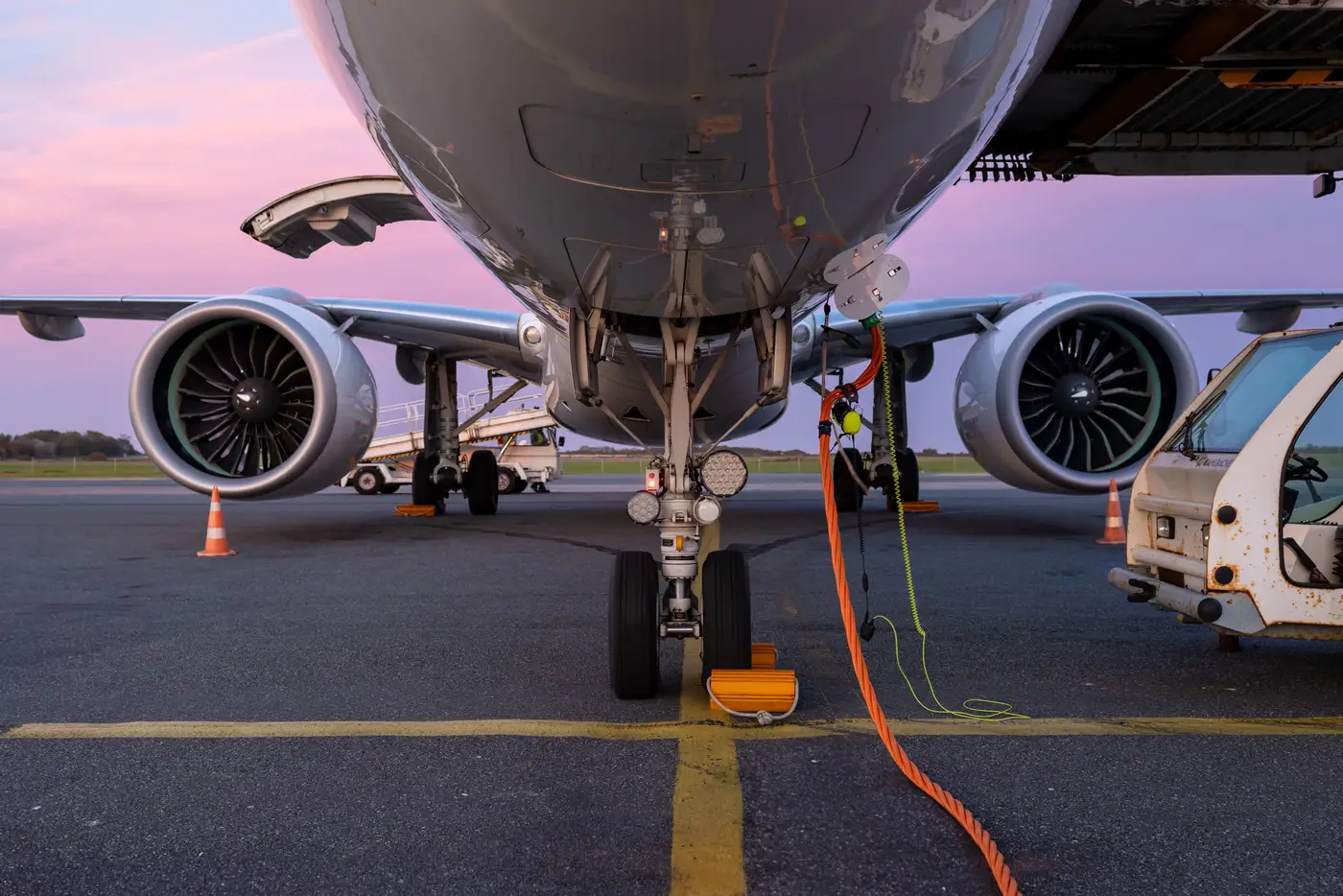
A C-check is the third rung on the classic A/B/C/D maintenance ladder that most transport-category aircraft still follow in some form, even where the letters have given way to task-card intervals. It's a heavy visit: structural inspections, systems checks, cabin and interior work in some programs, and enough opened panels that the aircraft isn't going anywhere for a while. Depending on type and operator program, it falls somewhere around 20-24 months of calendar time or a set number of flight hours and cycles, whichever comes first.
That "whichever comes first" detail is why two sister aircraft at the same airline can hit their C-check six months apart. Utilisation drives the clock as much as the calendar does.
Why length matters more than frequency
An A-check is an overnight-to-a-few-days affair, often done at an operator's own line station. A D-check, the heaviest of the four, can run six to eight weeks or longer and usually means a near-total teardown. A C-check sits in between, but "in between" still covers a wide range: a narrowbody C-check at a well-staffed MRO might clear in one to two weeks, while a widebody job, or one that turns up unexpected corrosion or an AD compliance item once panels come off, can stretch past a month.
That range is the part that matters for anyone reading an apron from above. A C-check tail doesn't move. It sits in the same slot, sometimes with cowlings open and ground equipment parked next to it, for the full length of the visit. One inducted aircraft can occupy a spot for three or four weekly snapshots in a row.
What that does to a daily apron count
If you're tracking a maintenance base to gauge throughput, a flat count across several weeks doesn't mean nothing's moving. It can mean the opposite: the same tails are still in the hangar queue or sitting on the ramp waiting for a hangar slot, and the apron is full because turnaround is running long, not because new work keeps arriving.
This is where heavy-check dwell time becomes the thing to watch, not the headcount on any single day. A base running ten aircraft on the ramp every day for six straight weeks, with the same type mix each time, is telling you something different than a base cycling through ten aircraft a week with constant turnover. Both can show the same daily number. Only a run of dated counts, read as a sequence, tells them apart.
For a lessor watching a specific tail's redelivery check, or a fleet analyst trying to work out whether an MRO's backlog is growing, the question isn't "how many aircraft are on the apron today." It's how long the apron population stays the same from one day to the next, and whether the type mix shifts in a way that lines up with scheduled induction dates. A narrowbody that's been parked in the same corner of the ramp for three weeks running is very likely mid-C-check. One that shows up, sits two days, and disappears is probably a transit or a minor check, not a heavy one.
Reading it without a ground contact
None of this requires knowing the tail number or the work package. A C-check visit shows up from the outside as a stationary airframe, usually with ground support equipment nearby and, later in the visit, missing panels or open cowlings if the imagery is sharp enough to catch it. What a repeated count gives you is the pattern: the same rough number of aircraft, in the same part of the ramp, day after day, with turnover only at the edges.
That's the gap Aircraft Counting is built to close for people who don't have someone walking the fence line at every base that matters to their fleet or their portfolio. A daily, dated count of what's parked on the apron, by broad aircraft type, turns into a usable read on dwell once you have a few weeks of it stacked up. If you're trying to work out whether a C-check queue at a given MRO is backing up, or whether a lessor's asset is tracking its scheduled turnaround, that's the kind of pattern it's built to surface.
Start tracking a base's apron count daily and the C-check backlog starts to show itself in the data.