B
What is a desert boneyard, and why do airlines park aircraft there?
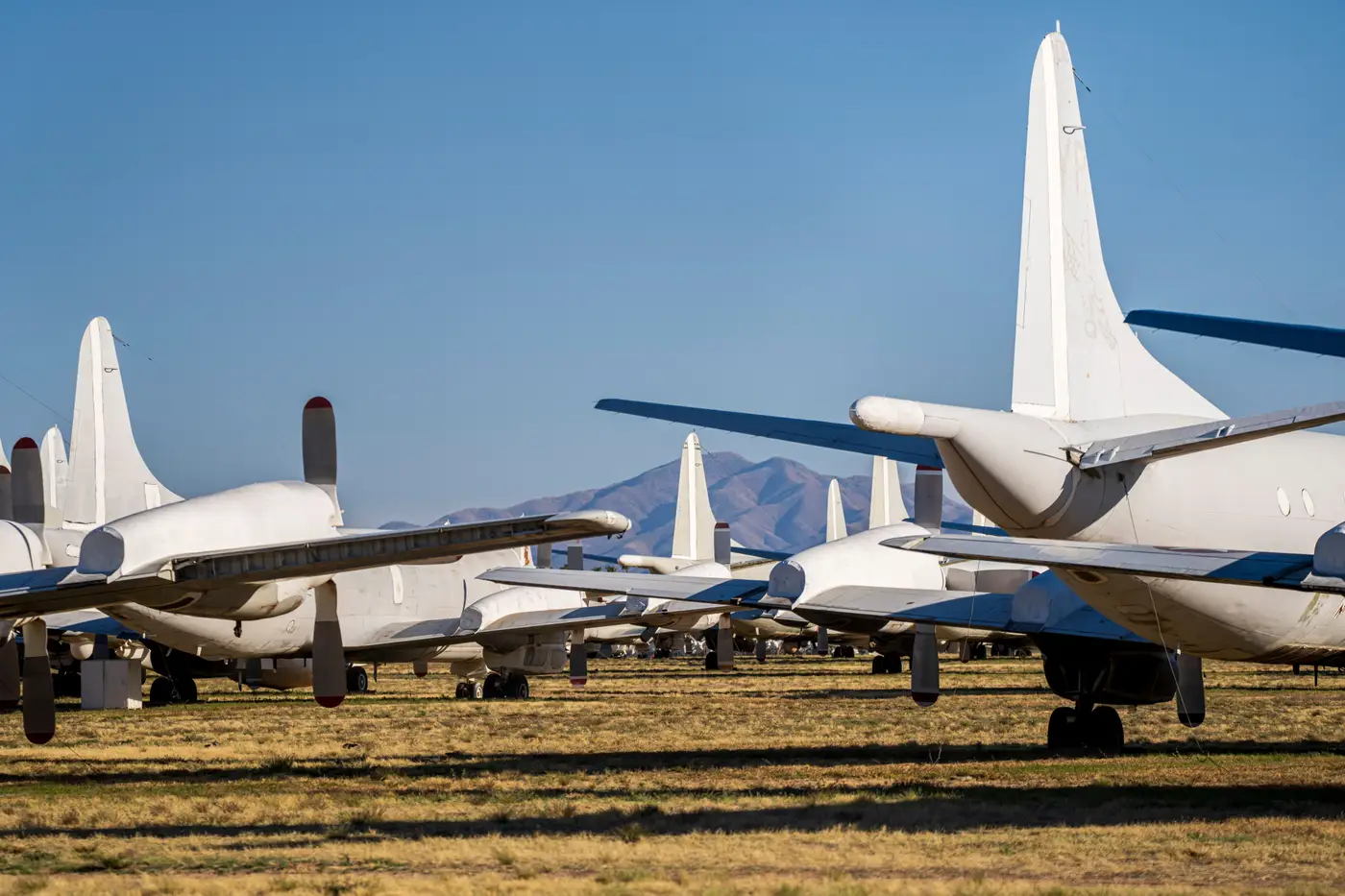
If you've spent any time around fleet planning, you've heard the term thrown around loosely. "It's gone to the boneyard" usually means one thing in a sale-leaseback memo and something else entirely in a casual conversation with an MRO rep. Worth being precise about it, because the difference between short-term storage and a one-way trip matters for valuation.
What a boneyard is
A desert boneyard is a long-term parking site for aircraft that are no longer flying revenue schedules, located somewhere dry enough that the airframe doesn't fight the climate while it sits. Places like Victorville, Marana, Roswell, and the big military-adjacent fields in the American Southwest exist because low humidity and minimal rainfall slow corrosion to a crawl. Park the same jet on a coastal ramp in Florida for three years and you're dealing with a very different inspection bill than if it sat in the Mojave.
Not every stored aircraft at one of these sites is headed for teardown. Some are in active preservation, meaning they're maintained under a storage program with engines motored periodically, pitot-static systems sealed, and control surfaces cycled, with a real intent to return them to service. Others are parked pending a lease decision, a paint change, or a buyer. And a chunk of any given ramp is parts aircraft: airframes being stripped for engines, landing gear, avionics, and anything else with resale value before the hull itself gets scrapped.
The preservation distinction is the one that affects what you're looking at from a fleet-utilisation standpoint. An aircraft in full preservation still counts, in a sense, as fleet. It's off the books for flying but it's not dead weight. An aircraft that's been cannibalized for parts is a different line item entirely, and it tends to sit on the apron for years after it's stopped being anything other than a donor.
Why the climate choice isn't optional
The dry-climate requirement isn't a nice-to-have. Humidity and salt air accelerate corrosion in aluminum skins, in fastener holes, in hydraulic lines that weren't designed to sit idle. A lessor putting an asset into storage for eighteen months wants that asset to come out of storage in a condition that doesn't blow the return-condition clause in the lease. Deserts in Arizona, California, and New Mexico give operators that margin without the added cost of anti-corrosion treatment programs that coastal or humid-climate storage would require, which is why the same handful of locations keep showing up across decades of airline downturns, from the post-9/11 parking wave through the pandemic grounding.
The economics work the other way too. These facilities tend to be former military airfields or general aviation strips with long runways and cheap land, which means operators can park at scale without competing for ramp space with active commercial traffic. A storage contract there runs cheaper per aircraft per month than anything near a hub airport, and that gap widens the longer the parking period runs.
Reading the ramp from outside
For a lessor or a fleet analyst sitting outside the gate, the hard part isn't understanding why the boneyard exists. It's knowing what's actually happening on it this month. Storage counts move with every downturn and every recovery: operators pull aircraft back into service when demand firms up, push more into preservation when it softens, and the published fleet lists lag that reality by weeks or longer. A type that looked parked in a quarterly filing might already be back on a revenue route by the time the filing is public.
That's the gap a daily apron read is built to close: a dated count of aircraft sitting on the ramp at a given site, broken out by broad type, without waiting on an operator disclosure or a site visit to tell you what changed. Across a handful of storage locations tracked the same way week over week, the pattern of departures and arrivals tells you more about where a fleet segment is heading than any single snapshot does.
If you're trying to keep a current read on parked-fleet activity across the desert storage sites that matter to your portfolio, that's the problem Aircraft Counting is built around.