B
What is a storage check, and how does it differ from heavy maintenance?
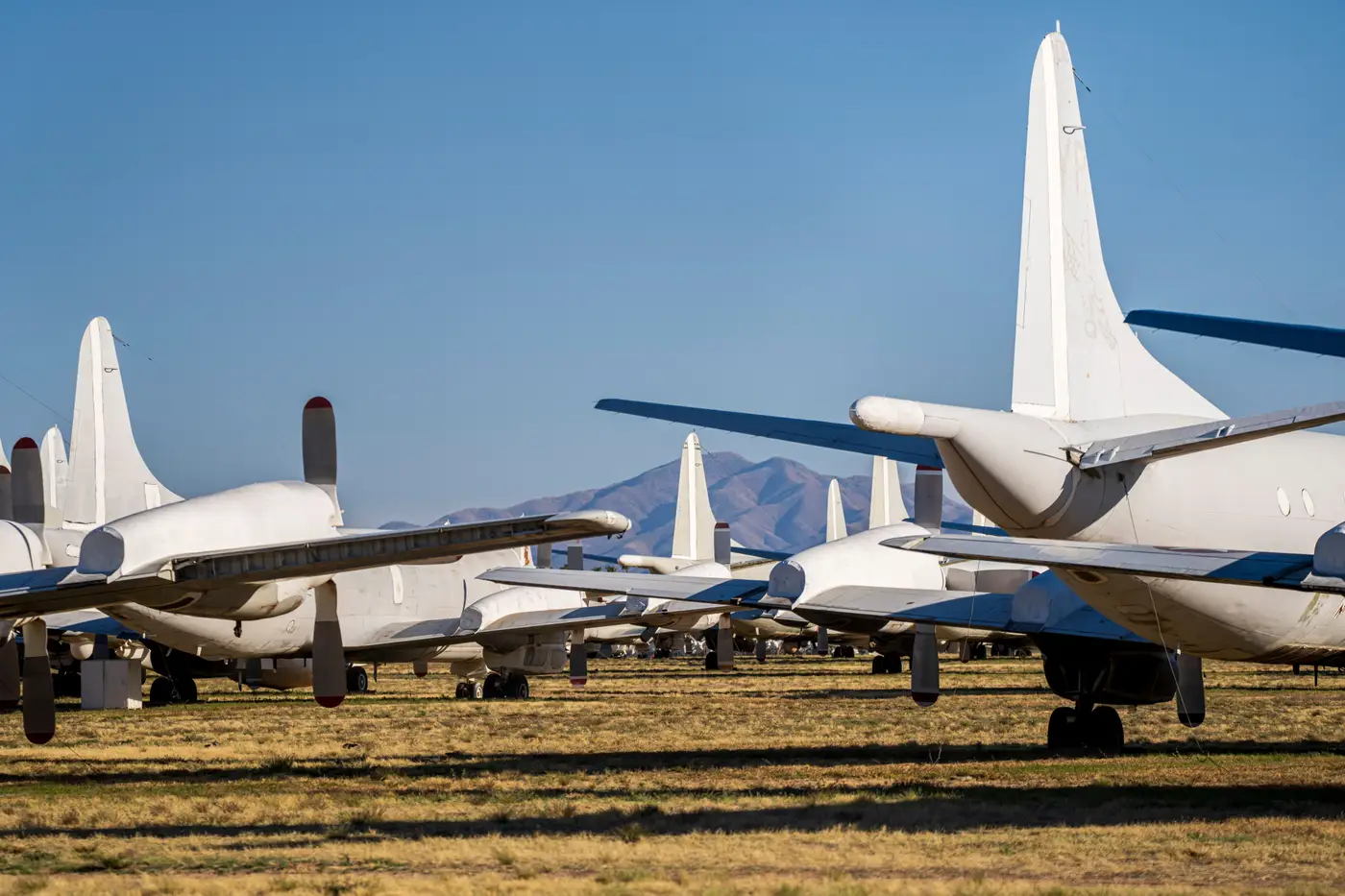
An analyst scanning a base's apron sees a row of parked jets and the first question is always the same: are these aircraft coming back, or are they sitting there for reasons that aren't going to resolve soon. The answer usually hinges on whether an operator has put the fleet into a storage check or routed it through scheduled heavy maintenance. The two get confused constantly because both involve an aircraft sitting still for a while, but they're built for opposite purposes.
What a storage check actually covers
A storage check is a preservation maintenance program, not a repair event. When an airframe goes into short-term or long-term storage, an operator (or the MRO handling it on their behalf) runs through a task card that protects the aircraft from the damage that comes from sitting idle: engine fogging or dry-motoring on a schedule, pitot-static ports and other openings covered or plugged, hydraulic and fuel systems treated against corrosion, tires jacked or rotated so they don't develop flat spots, batteries pulled or kept on trickle charge, desiccant placed in sensitive bays. None of this fixes anything that was broken. It's there to make sure nothing new breaks while the jet isn't flying.
The interval and depth of that preservation work scales with how long the aircraft is expected to sit. A jet parked for a 30-day induction gets lighter checks than one going into a 12-month or multi-year program, and the manufacturer's storage manual sets the clock for recurring tasks like engine runs and landing gear cycling. An aircraft can sit in active storage for years under this kind of program, with technicians cycling through on a fixed calendar the whole time.
Where it diverges from a C-check or D-check
Scheduled heavy maintenance is a different animal entirely. A C-check (or the equivalent letter-check tasks on newer maintenance programs) and a D-check tear into the structure, inspect for corrosion and fatigue, overhaul systems, and return components to service with fresh life limits. The aircraft is grounded because it's being worked on, not because an operator wants to park it. Heavy checks run on hours, cycles, or calendar time baked into the maintenance program, and they happen whether demand is strong or weak. A storage check, by contrast, is a business decision layered on top of the maintenance program, usually triggered by low demand, a lease transition, a phase-out, or a part-out decision further down the line.
The visible difference at a base can be subtle from a distance. Both show up as an aircraft parked for weeks or months with ground equipment occasionally nearby. But a jet in a heavy-check slot is typically inside a hangar or at a dedicated maintenance stand, cycling through a defined work package with an end date tied to labor hours. A jet in storage sits on open ramp or in a desert lot, often alongside sister airframes from the same operator or lessor, with far less activity around it between preservation cycles.
Reading the apron: why the distinction matters
For a lessor or fleet analyst, this isn't a technical curiosity. It changes what a parked count means. A spike in parked aircraft at a maintenance-heavy base might just reflect a seasonal push through scheduled checks. A spike at a known storage facility, or a known storage program entering a new tail, signals something closer to capacity withdrawal, often tied to a market downturn, a type phase-out, or a lease dispute. Tracking which bases are seeing growth in parked counts, and whether that growth tracks heavy-maintenance throughput or storage inflow, is one of the more reliable signals for reading where an operator's fleet strategy is actually headed, separate from what gets said in an earnings call. That's part of why a daily, dated read of what's sitting on an apron is useful on its own, without needing to confirm the maintenance status of every tail by hand.
Getting back to service
Coming out of either process means working through a return to service checklist, but the lists aren't the same length. Exiting a heavy check means closing out the work package, signing off every task card, and clearing any deferred items. Exiting storage means de-preservation: removing covers and plugs, flushing fluids that were treated for lay-up, running functional checks on systems that sat idle, and completing a return-to-service flight or ferry flight before the aircraft re-enters revenue service. Reactivation from long-term storage can take longer than people expect, which is itself a useful data point when a parked tail starts showing renewed ground activity after a long stretch of nothing.
If you're tracking storage and heavy-maintenance activity across more than a handful of bases, Aircraft Counting turns daily VHR imagery into a dated count and type-read of what's parked on each apron, so the pattern shows up in the data before it shows up in a press release.